.png)
Choosing a Dry-Scalp Shampoo for Black Textured Hair
Updated: Aug 27
When a scalp feels tight, itchy, or flaky, the first instinct is often to add oil or switch to the richest shampoo on the shelf. That can help in some routines, but it can also hide the real pattern. Dryness, product buildup, dandruff, irritation, and residue from protective styling can look similar while needing different approaches.
Start by separating scalp comfort from hair dryness
Textured hair can feel dry through the lengths while the scalp is oily, comfortable, flaky, or irritated. Shampoo choice should begin with the scalp, while conditioner and leave-in products handle most of the softness work for the hair itself.
A shampoo does not need to leave the hair squeaky to be effective, but it does need to remove the level of sweat, oil, styling residue, and buildup your routine creates.
Dry flakes and dandruff are not automatically the same thing
Small flakes can appear when the scalp is dry, but persistent flaking can also have other causes. If flakes are heavy, greasy, recurring, accompanied by redness, sores, or significant itching, treating the issue as simple dryness may delay useful care.
Watch your wash frequency
Going too long between washes can allow styling products, sweat, oils, and skin debris to collect at the scalp. Washing too aggressively can leave some scalps tight and uncomfortable. The right schedule depends on activity level, styling, scalp behavior, and the products being used.
Protective styles do not cancel scalp hygiene. They simply change how carefully cleansing needs to be done.
Use fingertips, not nails
Scratching may feel satisfying for a moment, but nails can irritate the scalp and create tiny abrasions. Massage shampoo with the pads of the fingers and rinse thoroughly. If buildup is stubborn, a second gentle cleanse is often more controlled than one aggressive scrub.
Water temperature matters
Very hot water can make an already uncomfortable scalp feel tighter. Warm water is usually enough to cleanse effectively, followed by a thorough rinse so shampoo and conditioner are not left behind.
Keep heavy conditioners where they belong
Rich conditioners are useful for dry textured lengths, but coating the scalp with heavy creams or butters can create residue for some people. Apply rinse-out conditioner primarily through the hair unless the product is specifically intended for scalp use.
Do not use oil as a universal scalp fix
Oil can reduce the dry feel of hair and some scalps, but repeatedly covering persistent itching or flakes with oil does not identify the cause. Fragranced oils and essential oils can also be irritating on an already reactive scalp.
Choose shampoo by what the scalp needs today
If the scalp feels coated or the hair is dull, prioritize effective cleansing.
If the scalp feels comfortable but the lengths are dry, keep the cleanser straightforward and put more conditioning attention on the hair.
If a new product seems to trigger itching or flaking, simplify the routine and remove the newest variable first.
If symptoms are persistent, painful, spreading, or associated with hair loss, seek qualified evaluation rather than cycling through cosmetic shampoos.
A practical DSB wash-day pairing
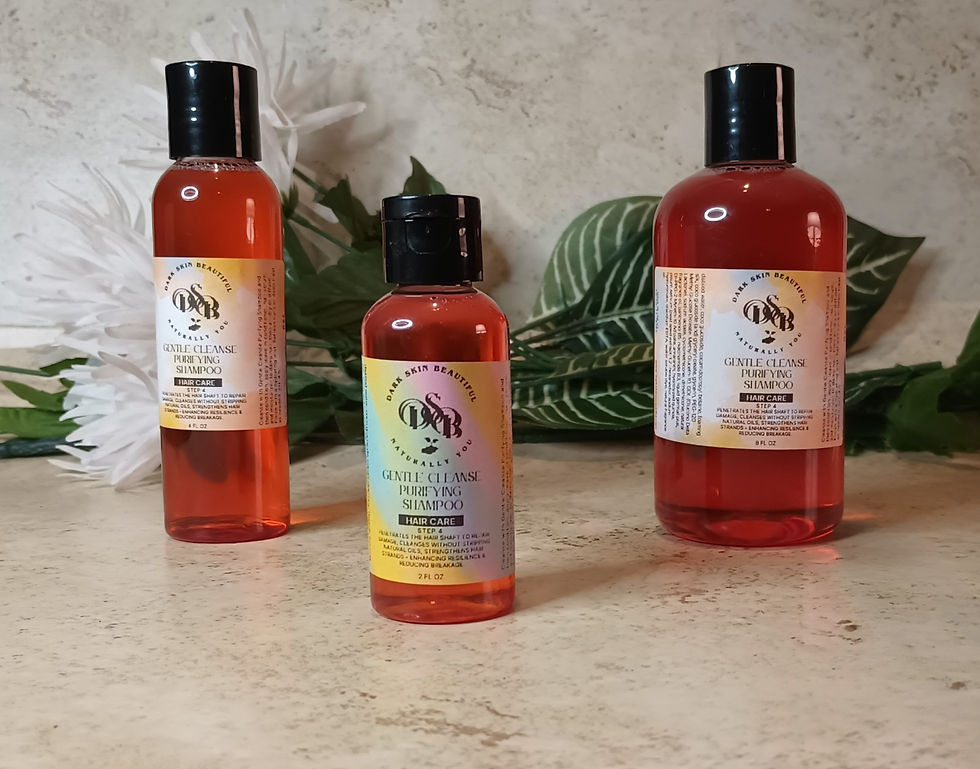
Gentle Cleanse Purifying Shampoo gives the scalp a straightforward cleansing step when residue and buildup need to be removed.
Botanical Brilliance Conditioning Detangling Rinse supports the lengths after cleansing, where slip and softness can reduce the temptation to choose an overly rich shampoo just because the hair itself feels dry.
The useful goal is clarity
A good scalp routine should make it easier to understand what is happening, not bury every symptom under another layer. Cleanse consistently, condition the hair appropriately, reduce unnecessary irritation, and pay attention to patterns over several wash days.
For more scalp and textured-hair education, browse the DSB Curated Guide Library.
Keep Learning with DSB
Use this article as the explanation, then choose a deeper guide or interactive tool when you want help applying it to your own routine.


Comments