.png)
Understanding Split Ends: What Causes Them and What Hair Care Can Actually Do
Updated: Sep 4
Split ends happen when the protective outer layers of a hair fiber become worn enough for the strand to fray or separate. They are especially noticeable on textured hair because curls and coils experience friction at bends, ends are older than roots, and natural scalp oils travel less easily down a curved strand.
The important truth is simple: once a strand is physically split, a cosmetic product cannot permanently glue it back into untouched hair. Conditioners, oils, silicones, and styling products can make the fiber feel smoother and temporarily reduce the rough appearance, but trimming is the only way to remove the split itself.
Why ends become vulnerable
Mechanical wear is a major contributor. Detangling without enough slip, rubbing against rough fabrics, tight styling, frequent brushing, and handling the same fragile ends every day all add stress. Heat can add another layer of damage when tools are too hot, used too often, or repeatedly passed over the same section.
Chemical services, color, and long intervals between trims can also increase fragility. None of this means textured hair is inherently weak. It means the oldest part of every strand has lived through the most wash days, styles, weather, and friction.
Moisture helps manageability, not repair a split
Water and conditioning ingredients can improve flexibility and reduce friction during styling. That matters because a strand that bends more easily is less likely to snap from ordinary manipulation. But moisture should not be marketed as a fix for a split end. The goal is to make the hair easier to handle and protect the length that is still intact.
Detangling technique matters
Work in sections. Add enough water and conditioner for the hair to feel slippery before using fingers, a wide-tooth comb, or a detangling tool. Start at the ends and move upward rather than forcing through knots from the root. If a knot will not release with gentle handling, stop and reassess instead of pulling harder.
Protect the ends between wash days
Low-friction nighttime care, loose protective styling, and reducing unnecessary daily manipulation can help. Satin or silk-like surfaces do not make hair indestructible, but they can reduce repeated rubbing. Keeping ends tucked occasionally can also limit exposure, provided the style itself is not tight.
DSB routine companions
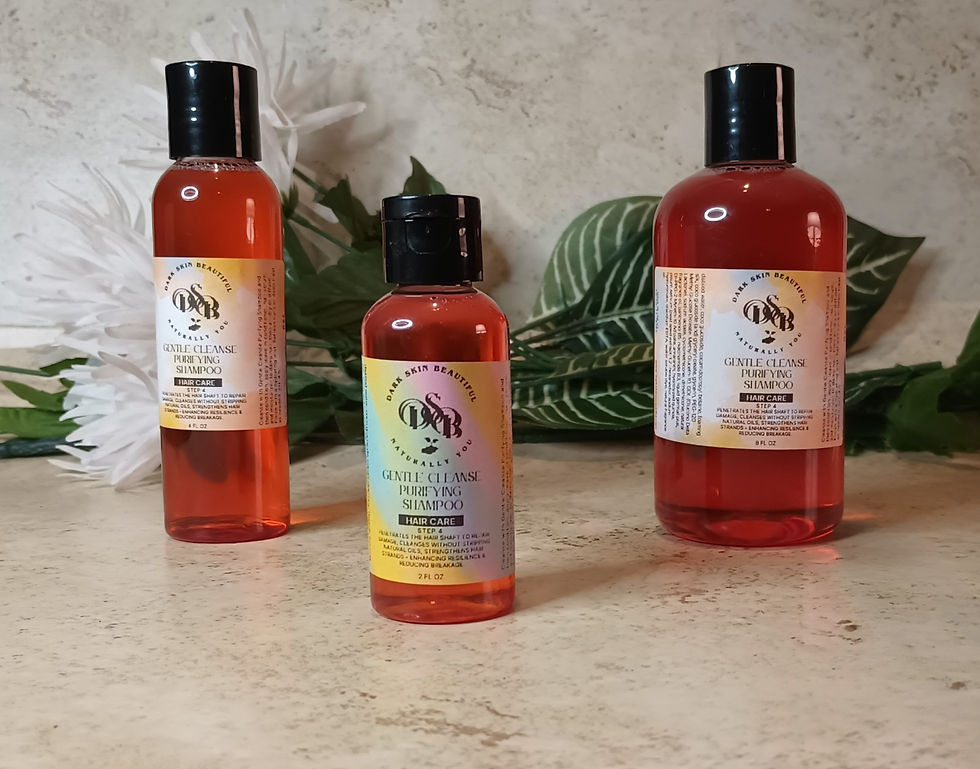
Gentle Cleanse Purifying Shampoo can provide a cleansing step before conditioning without turning wash day into an aggressive clarifying session.
Botanical Brilliance Conditioning Detangling Rinse supports slip and easier detangling, which can reduce avoidable mechanical stress.
Sacred Strands Dry Oil Spray can add slip and shine to finished hair, especially on dry-feeling ends.
Know when it is trim time
If ends stay see-through, rough, snag easily, tangle immediately after detangling, or visibly fork, a small trim may improve the overall look and handling of the hair more than another layer of product. Trimming does not make hair grow faster, but removing severely damaged ends can make length easier to maintain.
Healthy-looking ends are less about finding a repair shortcut and more about reducing the amount of damage each strand has to survive.
Keep Learning with DSB
Use this article as the explanation, then choose a deeper guide or interactive tool when you want help applying it to your own routine.
Practical takeaways for this topic
A useful hair routine gives you something repeatable to compare. Notice how the hair feels after cleansing, conditioning and detangling, then change one variable at a time instead of swapping the entire routine. Texture, porosity, weather, buildup and styling tension can all change the result, so the simplest routine is often the easiest one to learn from.
Technique matters as much as the product label. Work in manageable sections, use enough slip to reduce unnecessary pulling, and be especially gentle around the edges, nape and any area that already feels tender. If you are testing a new styling product, compare definition, softness, flaking, hold and next-day feel rather than judging only the first hour.
Keep a small mental or written record of what is improving and what is not. Photos in similar lighting, a note about wash-day shedding, and how easily the hair detangles can reveal patterns that are easy to miss day to day. Consistency is more informative than constantly adding another product.
Sudden patchy loss, scalp pain, sores or a major increase in shedding should not be treated as an ordinary styling problem. Those changes deserve qualified professional attention while cosmetic care stays gentle and supportive.


Comments